A Deep Dive into Five Points Snacks’ Ingredient Sourcing Philosophy

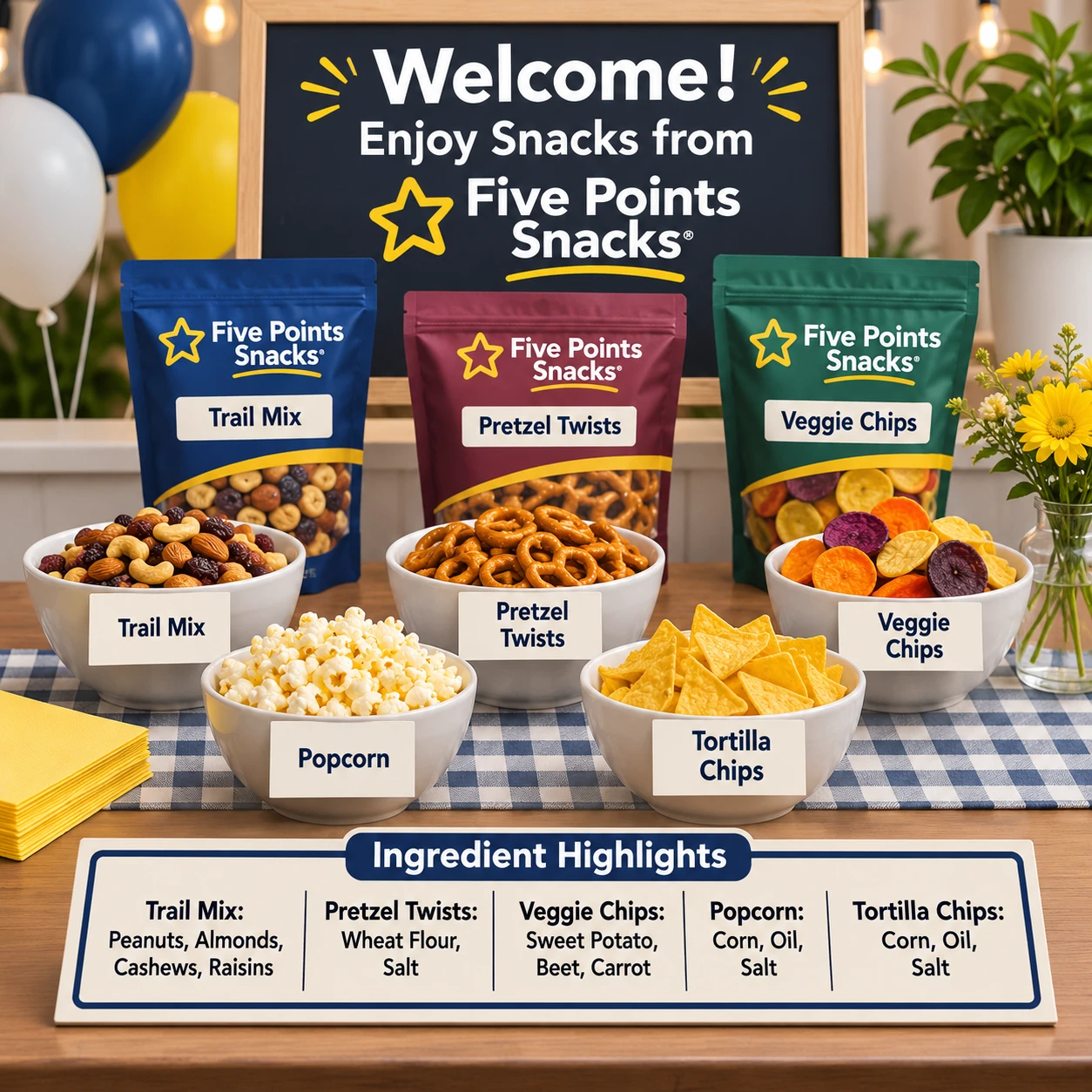
When you choose snacks for a gathering, flavor and convenience matter, but so does knowing what is in the food you are serving. Ingredient sourcing can help explain how a snack is made and what information is available to shoppers. For Five Points Snacks, a careful look at sourcing begins with verified product details rather than assumptions about suppliers, farms, or standards.
This guide explores how to think about Five Points Snacks’ ingredient sourcing philosophy, what ingredient choices can mean for flavor and texture, and how to check product information before setting out a party spread. Where specific sourcing details are not publicly confirmed, we distinguish general food context from claims about the brand.
Why ingredient sourcing matters to Five Points Snacks
Ingredient sourcing matters because it connects a snack’s product ingredients with its taste, texture, and the information shoppers can use when choosing what to serve. For Five Points Snacks, a responsible account of that connection should stay grounded in details the brand provides.
In food, sourcing describes where ingredients come from and how a company obtains them. That can include supplier relationships, ingredient specifications, and purchasing decisions. These details may shape product consistency and what a company can communicate about its snacks. However, without specific disclosures, shoppers should not assume a particular country of origin, supplier, certification, or sustainability practice.
That distinction is useful when considering the brand story. A company’s values may influence how it develops products, but values alone do not verify sourcing standards. The most reliable picture comes from combining brand information with the ingredient list and other product details printed on the package or published by the company.
For party hosts, this is practical rather than abstract. A clear ingredient list can help you plan around allergies, dietary preferences, and the mix of flavors on the table. Transparency means giving shoppers usable information; it does not require making claims that product details cannot support.
The principles behind ingredient selection
The principles behind ingredient selection are best understood through confirmed product information, not guesses about Five Points Snacks’ purchasing rules. Shoppers can use labels and official brand descriptions to see which ingredients each snack contains and what claims, if any, the company substantiates.
Ingredient quality can refer to many things: freshness, grade, flavor, consistency, or suitability for a recipe. Brands may set specifications for ingredients, but unless Five Points Snacks publicly describes those specifications, it would be inaccurate to assign the company a particular quality standard. The same caution applies to supplier relationships and claims about local, organic, non-GMO, or responsibly sourced ingredients.
A useful way to assess available information is to separate it into three questions:
- What is confirmed? Read the product’s ingredient list, allergen statement, and any clearly stated claims.
- What is explained? Look for brand materials that describe ingredient choices or manufacturing details in specific terms.
- What remains unknown? If a supplier, origin, or sourcing practice is not disclosed, treat it as unconfirmed rather than filling in the gap.
This approach protects both the shopper and the brand from overstatement. A short ingredient list, for example, may make a product easier to understand, but it does not automatically prove higher quality or a particular sourcing philosophy. Specifics matter more than impressions.
From ingredients to flavor and texture
Ingredients can influence a snack’s flavor and texture through their taste, moisture, fat content, size, and role in the recipe. The exact effect depends on the product, so the package and product description are the best guides to what is true of a particular Five Points Snacks item.
In general, seasoning ingredients contribute saltiness, heat, sweetness, or aromatic notes. Grains and other base ingredients can affect crunch and density; oils can influence richness and mouthfeel; and coatings or inclusions may add contrast. These are broad food principles, not claims about the formulation of every Five Points Snacks product.
For a gathering, think about the experience you want to create. A crisp snack can add a contrast to soft dips, while a strongly seasoned option may suit guests who want a more pronounced flavor. If you are mixing several snack products, consider balancing mild and bold choices and offering water or simple accompaniments nearby.
There is a trade-off in choosing by flavor alone: a snack that sounds appealing may not suit every guest’s preferences or dietary needs. Check the ingredient and allergen information before serving, especially when guests have allergies or avoid particular ingredients. Flavor expectations are useful; label details are essential.
Sourcing and the Five Points Snacks brand story
Ingredient sourcing fits into the Five Points Snacks brand story when the company explains how its product choices reflect its stated values. Without verified details about sourcing practices, the story should be described through confirmed brand information rather than assumed origins or commitments.
A brand story can communicate why a company makes particular snacks, who it hopes to serve, and what kind of experience it wants its products to offer. Sourcing becomes a meaningful part of that story when the brand makes concrete statements about ingredients or supplier practices and provides enough detail for shoppers to understand them.
For readers, the distinction between a brand value and an operational claim is important. A statement about caring about quality is an expression of intent; a statement naming a specific ingredient origin or certification is a factual claim that should be supported by product or company documentation. If you cannot find that documentation, it is reasonable to ask the brand directly.
This measured view still leaves room for genuine brand identity. Five Points Snacks’ snack products can be considered in terms of their role at social occasions and the information supplied about them. A transparent account of what is known, and what is not, gives shoppers a more trustworthy basis for deciding what belongs on the table.
Choosing snacks for parties and gatherings
To choose Five Points Snacks for a party, match the available products to your guests, the occasion, and the other foods being served. Check each package for ingredients and allergens, then build variety around flavor, texture, and serving style.
A straightforward party-planning filter can help:
- Start with the guest list. Ask about allergies and dietary needs before buying. Keep packaging available so guests can check details themselves.
- Plan for contrast. Include different flavor intensities and textures where the product range allows. A varied spread is easier to enjoy than several snacks that all taste or feel similar.
- Consider the setting. For a casual get-together, choose snacks that are easy to share and serve. For a longer event, think about how the snacks fit alongside dips, drinks, and other food.
- Buy to the occasion. A small gathering may need only a few options; a larger group benefits from enough variety that guests can make their own choices.
Do not infer a snack’s suitability from its name or appearance. A product that looks simple may still contain an ingredient a guest avoids, and a flavor description does not replace the allergen statement. When details are unclear, check the manufacturer’s current product information before serving.
What shoppers can check on the package
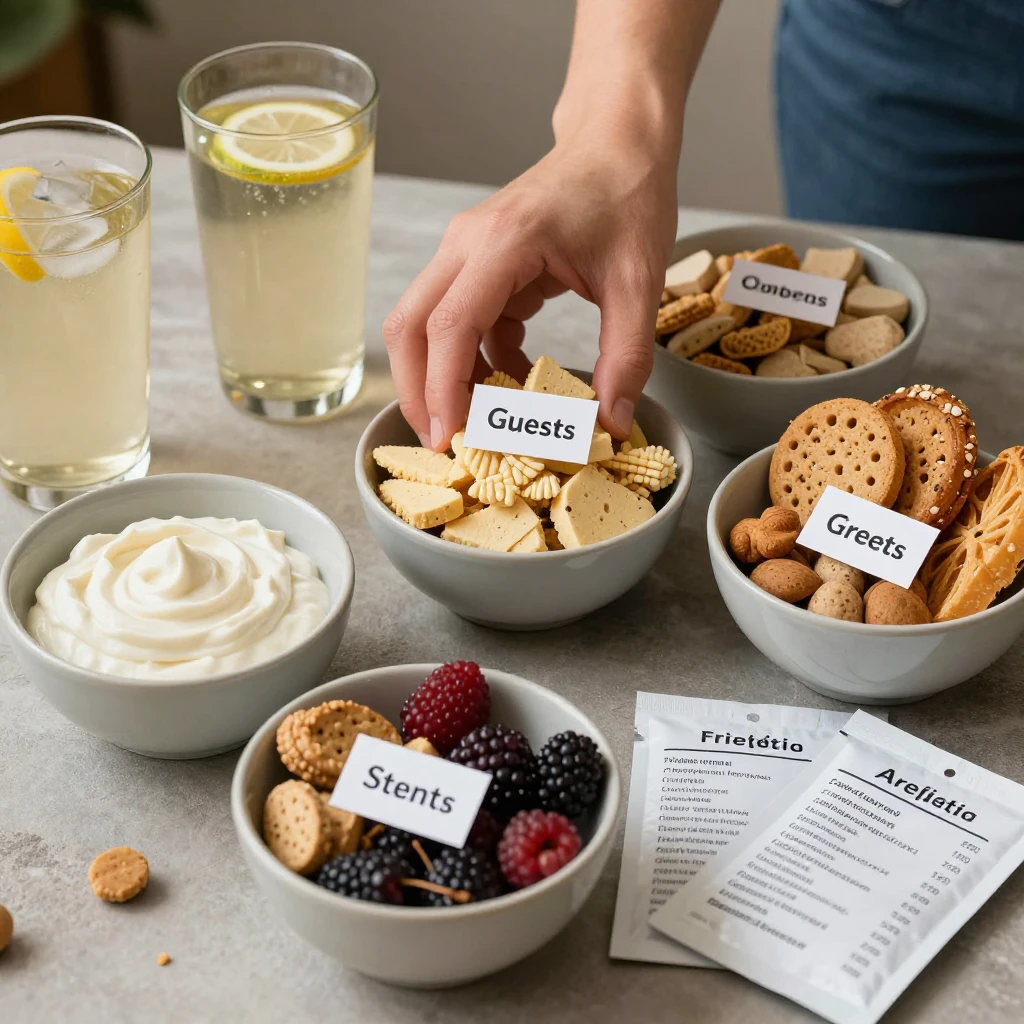
Shoppers can check the package for the ingredient list, allergen information, serving details, and any specific product claims. These are the most direct sources for understanding what a particular Five Points Snacks product contains.
Product information can change, so use the label on the item you buy rather than relying only on an old description or a photograph. If you shop online, compare the listing with the package when it arrives, particularly when allergies or dietary restrictions are involved. Contact Five Points Snacks or the retailer if an important detail is missing or unclear.
When reviewing a label, look for:
- Ingredients: Read the full list, including seasonings, coatings, and components that may be less obvious from the product name.
- Allergen statements: Check the package’s warnings and handling information. If the risk is serious, ask the manufacturer about cross-contact rather than relying on guesswork.
- Claims and explanations: Note whether a claim is specific and supported by a clear explanation. Do not treat broad promotional language as proof of an undisclosed sourcing practice.
- Product updates: Recheck labels when you buy again. Formulas and packaging can change over time.
Food transparency is most useful when it answers a real question. If you want to know where an ingredient comes from or how a supplier is selected, seek an explicit answer from official brand materials or customer service. Until then, keep the distinction clear between what is printed, what the brand confirms, and what remains unknown.
Frequently asked questions
What does ingredient sourcing mean for Five Points Snacks?
Ingredient sourcing means how a company obtains the ingredients used in its products. For Five Points Snacks, specific sourcing practices should be treated as confirmed only when the brand or product information states them clearly.
Where can shoppers find ingredient information?
Start with the ingredient list and allergen information on the product package. Official product descriptions or direct contact with Five Points Snacks may provide additional details, especially about claims not explained on the label.
How might ingredients affect a snack’s flavor or texture?
Ingredients can contribute seasoning, richness, crunch, density, or other sensory qualities. The effect varies by recipe, so use the product description and your own experience rather than assuming the same result across the range.
Which Five Points Snacks products might suit a party spread?
Choose from the products currently available and consider how their flavors and textures fit with your menu. Check package details for allergens and ingredients, and offer more than one option when guests have different preferences.
Understanding Five Points Snacks’ ingredient sourcing philosophy starts with careful attention to what the brand actually shares. For hosts, that approach makes it easier to choose snacks thoughtfully, serve a varied spread, and give guests the information they need.