How to Build the Ultimate Snack Board on a Budget

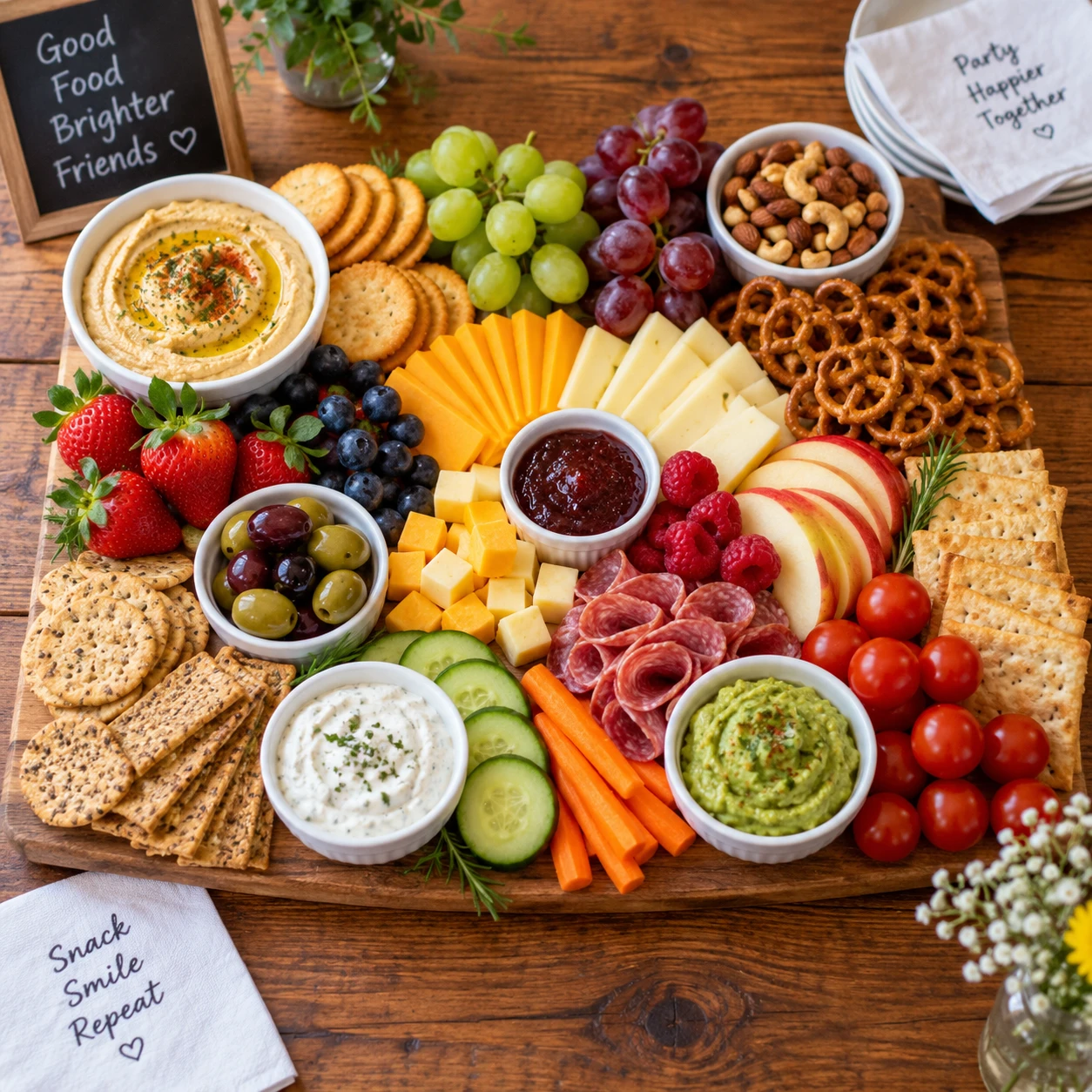
A memorable snack board doesn’t need imported cheese or an elaborate charcuterie spread. With a guest count, a simple spending limit, and a mix of crunchy, savory, sweet, and fresh foods, you can serve party appetizers that feel generous without stretching your grocery budget.
The trick is to choose a few filling favorites, then use affordable accompaniments to add color and variety. Here’s how to plan, shop, and arrange a board that welcomes guests to dig in.
Start with a budget and a guest count
Set your snack board budget and guest count first; those two numbers help you decide how much food to buy and which ingredients deserve the largest share. For a casual gathering with other food available, plan about 4–6 ounces of snacks per person; for a snack-only event, allow roughly 8–12 ounces per person.
These are flexible estimates, not strict rules. The time of day, length of the gathering, guest appetites, and presence of a meal all affect how much people eat. When in doubt, plan a little extra of inexpensive staples such as crackers, pretzels, or popcorn rather than buying another premium cheese.
- Choose a total limit before shopping, then reserve a small amount for ice, napkins, or serving supplies if needed.
- Divide the budget by category: filling items, crunchy snacks, produce, and dips or spreads.
- Check what you already have, including bowls, cutting boards, pantry snacks, and condiments.
A quick list prevents the common mistake of buying too many specialty items and running short on basics. If the board is one part of a larger meal, keep the spread modest; if it’s the main food for a long party, increase portions and provide more substantial options.
Choose a mix of affordable snack categories
Build variety by combining crunchy, savory, sweet, and fresh foods. A balanced snack board can use everyday crackers and pretzels, one or two dips, seasonal fruit, and a small sweet treat instead of relying on a long list of costly ingredients.
Think in **textures and flavors**, not in the number of products. For example, pair salty pretzels with crisp apple slices, creamy hummus with crunchy vegetables, and lightly sweet dried fruit with a mild cheese. A few contrasting choices make the spread interesting without filling your cart with duplicates.
- Crunchy: crackers, pretzels, popcorn, pita chips, or toasted bread slices.
- Fresh: apples, pears, grapes, carrots, cucumber, or whatever produce is in season.
- Sweet: dried apricots, raisins, chocolate pieces, or a small bowl of cookies.
- Savory: olives, roasted nuts, pickles, or a simple homemade dip.
Check labels when guests may have allergies or dietary needs, especially for nuts, dairy, and gluten. Keep a few ingredients in their original packaging when useful so guests can review ingredient information. A varied board doesn’t have to accommodate every diet by itself, but clear choices make it easier for people to find something they can enjoy.
Build the board around a few filling favorites
Choose two or three filling anchors, such as cheese, hummus, bean dip, or another substantial spread, then surround them with lower-cost crackers, fruit, and vegetables. This gives the board structure and makes it satisfying without requiring a large assortment of premium ingredients.
For a small gathering, one cheese and one dip may be enough. For a larger party, add another option with a different flavor or texture, such as a sharp cheese alongside a mild one, or creamy hummus alongside tangy salsa. Buying a larger block of cheese and cutting it yourself can cost less per serving than purchasing pre-cut portions, though convenience may be worth the extra cost when preparation time is tight.
Round out the anchors with economical accompaniments. Carrot sticks, apple wedges, crackers, and pretzels provide plenty to pick up with dips or cheese. If you want a meat option, use a modest amount and slice it thinly; it can be one component rather than the centerpiece of the whole snack board.
One common misstep is offering several similar dips or cheeses while forgetting easy carriers. Guests need enough crackers, vegetables, or bread to enjoy the richer items. Let the filling favorites set the flavor direction, then buy accompaniments that work with more than one item.
Shop smart and make the most of what you buy
Shop your pantry first, compare unit prices, and choose seasonal produce to stretch your snack board budget. A shopping list based on categories helps you avoid impulse buys and makes it easier to swap ingredients when a sale or seasonal option is better value.
Package size can be misleading: compare the price per ounce or pound, but consider whether you will use the leftovers. A large bag is only a bargain if it won’t go stale before the next gathering. Store remaining crackers and pretzels in airtight containers, and plan to use leftover fruit, cheese, or dip in meals afterward.
- Use pantry staples such as popcorn, nuts, crackers, or a jar of olives if they suit your guests.
- Buy whole produce and cut it yourself when that fits your schedule.
- Choose a few versatile items that pair with several foods rather than buying one-off garnishes.
- Make a simple dip from ingredients you already have, such as yogurt with herbs or mashed beans with seasoning.
Seasonality is a practical guide, not a guarantee of the lowest price. Compare what is available locally and choose fruit and vegetables that look fresh and fit your budget. Frozen ingredients can work well in cooked dips, but thawed frozen produce may release water and be less appealing for a fresh board.
Arrange the board for a generous look
Group similar foods, use small bowls for dips, and fill open spaces with colorful, inexpensive snacks to make a modest board look abundant. Good board arrangement comes from thoughtful spacing and easy access, not from piling everything into one crowded heap.
Start by placing bowls and the largest items, such as cheese wedges or a small pile of fruit. Add crackers and pretzels in loose rows or short stacks, then tuck smaller foods into the gaps. Put items that pair well near each other, such as apple slices beside cheese or vegetables beside hummus.
For a generous effect, **work in clusters** and vary the shapes: fan out crackers, fold or roll slices when practical, and use small piles of dried fruit or nuts as visual accents. A plate, tray, or baking sheet works just as well as a dedicated wooden board. If the main board looks sparse, serve extra crackers in a nearby basket rather than buying more ingredients just for display.
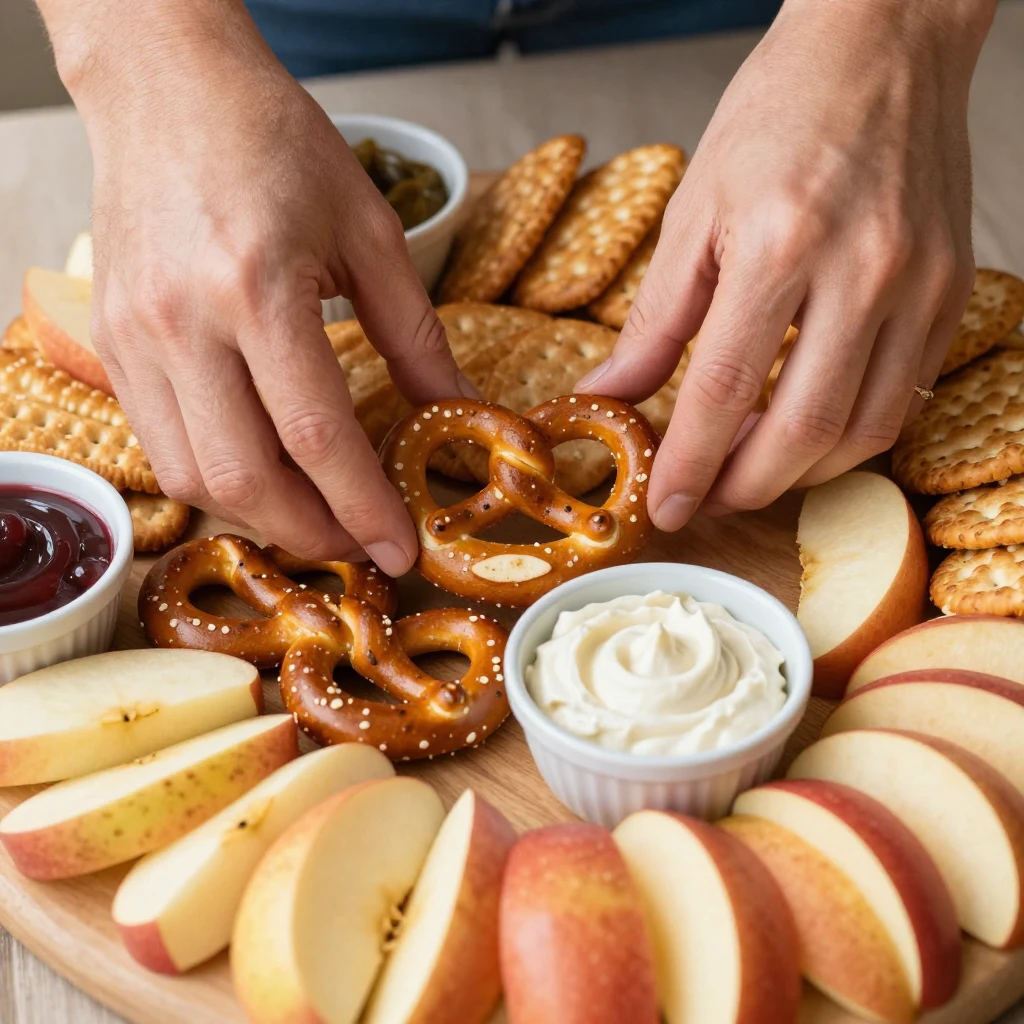
Leave enough room for guests to pick up food without knocking over a bowl. Keep serving spoons or spreaders beside dips, and avoid placing wet foods directly against crackers if you want them to stay crisp.
Add a Five Points Snacks touch
Five Points Snacks can fit naturally into a party spread as one part of the crunchy snack selection. Choose a product that complements your dips, cheese, or fresh produce, then balance it with other foods rather than building the entire board around a single brand.
Because product selections and availability can vary, check the current Five Points Snacks range and package details before planning a menu around a specific item. If you choose a Five Points Snacks product, serve an appropriate amount in a bowl or on the board, and pair it with contrasting flavors: a savory crunchy snack alongside fresh fruit, or a milder option near a bold dip.
This approach keeps the spread welcoming and lets guests enjoy different combinations. It also makes portion planning easier: put out a reasonable amount first, then replenish from the package as needed. That way, snacks stay fresh and you can save unopened or remaining portions for later, according to the package directions.
Keep the board fresh and easy to serve
Prepare sturdy ingredients ahead, add delicate or perishable foods close to serving time, and replenish the board in small amounts. This keeps the snack board tidy and appealing while reducing the time food sits out.
Wash and cut produce shortly before guests arrive when possible. Keep dips and cheese chilled until serving, and follow food-safety guidance for perishable foods. The U.S. Food and Drug Administration advises that perishable food should not sit at room temperature for more than two hours, or one hour when temperatures are above 90°F. See the FDA’s food safety guidance for picnics for details.
For a longer gathering, set out smaller portions and refill them from chilled storage rather than placing everything on the table at once. Label common allergens where helpful, use separate utensils for each dip, and offer a simple alternative for guests who avoid a particular ingredient. These small steps make party appetizers easier to enjoy and easier to manage.
Snack board questions, answered
What should I put on a snack board? Include a mix of crunchy, fresh, sweet, and savory foods: crackers or pretzels, fruit or vegetables, one or two dips, and a filling item such as cheese or hummus.
How much food should I plan per guest? As a starting point, allow 4–6 ounces per person when other food is served, or about 8–12 ounces for a snack-only gathering. Adjust for event length and appetite.
How can I make a snack board look full on a budget? Use a smaller board, cluster foods, add colorful seasonal produce, and serve extra crackers or pretzels in a separate bowl. A small, well-arranged spread often looks more inviting than a large board with scattered ingredients.
What can I use instead of an expensive cheese selection? Use one accessible cheese or skip cheese in favor of hummus, bean dip, yogurt dip, or another filling spread. Pair it with vegetables, fruit, crackers, and pretzels for variety.