The Science of Snacking: Why Salty and Sweet Combos Are Irresistible

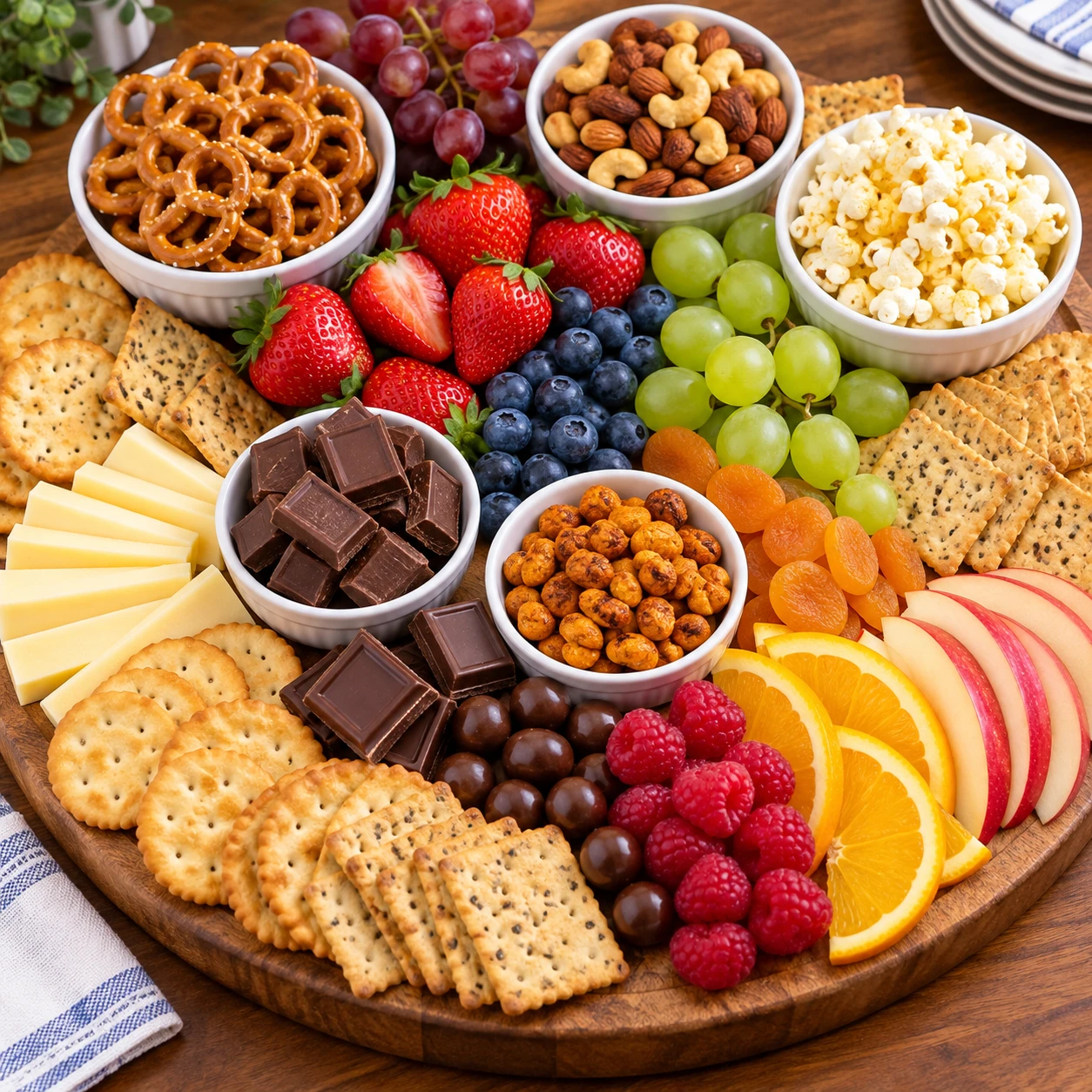
A handful of pretzels beside chocolate, or crisp crackers served with fresh fruit, can make a snack feel more satisfying than either flavor alone. The appeal comes from contrast: salt and sweetness each stand out against the other, while different textures keep every bite interesting. For a party, that mix is especially useful because guests can sample, compare, and build their own combinations.
Why Opposing Flavors Work So Well Together
Salt and sweetness create flavor contrast, which can make both tastes easier to notice in the same bite. A salty snack followed by a sweet one, or a pairing that combines both, offers variety without requiring an elaborate recipe.
Taste buds register different basic tastes, but flavor is shaped by more than taste alone. Aroma, temperature, texture, and the foods around a bite all contribute to how it comes across. Salt can make a sweet ingredient seem less one-note; sweetness can soften the sharp edge of a strongly salted snack. Neither effect works the same way in every pairing, so the proportions matter.
Think of contrast as a simple balancing tool. A mildly sweet dried fruit can complement a salty pretzel, while rich chocolate may need a crisp, lightly salted cracker to keep the combination from feeling heavy. A small amount of one flavor is often enough. If both components are intensely salty or sugary, the details of each can disappear beneath the combined impact.
That balance also helps explain why salty-sweet combinations can feel satisfying. Each bite changes the experience, especially when the ingredients vary in aroma or intensity. It is a sensory preference, not a universal craving: some guests prefer one flavor at a time, so a good spread offers options rather than assuming everyone wants the same pairing.
The Sensory Appeal of a Great Snack
A great snack engages flavor, aroma, and texture together. Crunch, chew, and smoothness shape how a bite feels and help a snack spread stay interesting from the first handful to the last.
Texture provides a practical way to build variety. A crunchy pretzel or cracker has a different feel from chewy dried fruit, while chocolate or a soft cheese adds a smoother contrast. The changes in texture can make familiar ingredients feel more dynamic, even when the flavor combination is simple.
Temperature and size matter, too. Bite-sized pieces are easy to sample and share, and chilled fruit can create a refreshing contrast with room-temperature crunchy snacks. Keep foods that soften or melt away from warm spots, and serve them in manageable portions so guests can reach each item without crowding the table.
For a satisfying combination, try to bring together at least two contrasting textures: crisp with chewy, or crunchy with creamy. Then consider whether the flavors support each other. A salted cracker with a soft, sweet spread offers both texture and taste contrast; a sweet fruit paired with a crisp snack gives a lighter alternative.
Why Salty-Sweet Snacks Are a Party Favorite
Salty-sweet snacks work well at gatherings because they are easy to share, simple to mix and match, and flexible for different tastes. Guests can take a small bite, return for a favorite, or try a new pairing at their own pace.
Unlike a plated dish, a party snack board invites people to choose their own route through the flavors. One guest might combine a pretzel with chocolate; another may prefer fruit beside a cracker. That freedom makes variety useful, particularly when you do not know every guest’s preferences.
Keep the arrangement intuitive. Group ingredients in small bowls or clusters, leave room for serving utensils, and place items that naturally pair near one another. You can signal combinations with a few thoughtful neighbors, such as salty crackers beside fruit or crunchy snacks near a sweet dip, without dictating how anyone should eat them.
There is a trade-off: more choices can make a spread harder to navigate and replenish. A few well-chosen options usually work better than a crowded table. Include familiar snacks, one or two distinctive pairings, and a clear place for guests to set used picks or napkins.
Easy Salty-Sweet Pairings to Try
Easy salty-sweet pairings combine one crisp or savory item with a sweet ingredient, then serve them in small portions for sampling. Use these ideas as starting points and adjust them to your guests’ preferences.
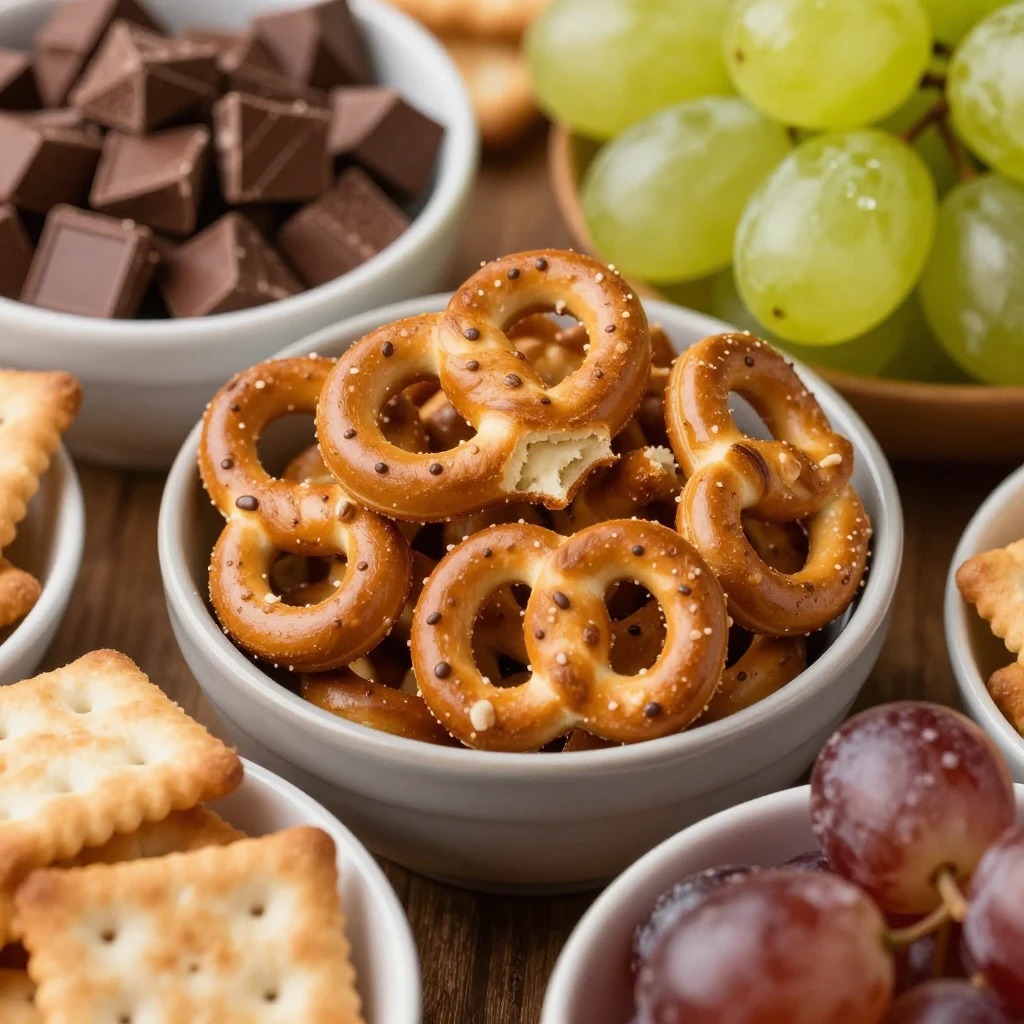
- Pretzels and chocolate: Set out pretzel twists with squares or small pieces of chocolate. The crisp, salty bite contrasts with chocolate’s smooth sweetness.
- Crackers and fruit: Pair mild crackers with grapes, apple slices, or dried apricots. Fresh fruit brings juiciness; dried fruit gives a chewier, concentrated sweetness.
- Popcorn and dried fruit: Serve lightly salted popcorn beside raisins, cranberries, or chopped dried apricots. Guests can mix them by the handful or keep the flavors separate.
- Cheese, crackers, and honey: Offer a mild cheese with crackers and a small dish of honey. Keep the honey separate so guests can control how sweet each bite becomes.
- Salty snacks with a sweet dip: Put out a sweet dip with sturdy crackers or other crunchy snacks. Use a spoon and small serving bowl to keep the arrangement tidy.
Five Points Snacks products can be included as the crunchy, shareable anchor of a pairing. Since product ranges and flavors can vary, choose an available Five Points Snacks item that suits the rest of the board, then add fruit, chocolate, or another sweet accompaniment. Keep the packaging nearby if guests may want to check ingredients or identify a favorite.
Build a Balanced Snack Spread
To build a balanced snack spread, offer a mix of salty and sweet flavors, several textures, and enough familiar choices for guests to feel at ease. A simple planning rule is to cover flavor, texture, and ease of serving before adding extra items.
Start with a small menu:
- Choose a salty base: Add crackers, pretzels, popcorn, or a suitable Five Points Snacks product.
- Add two kinds of sweetness: For example, fresh fruit and chocolate, or dried fruit and a sweet dip.
- Vary the texture: Include something crisp, something chewy, and, if it fits the menu, something smooth or creamy.
- Make it easy to serve: Use small bowls, separate sticky dips from dry snacks, and provide tongs or spoons where needed.
Keep strong flavors from overwhelming delicate ones. A heavily salted snack can dominate mild fruit, so serve it in a separate bowl and let guests combine them themselves. Likewise, put chocolate or dips away from warm areas where they could soften or become messy.
Consider dietary needs and ingredient information when planning. Check product packaging rather than guessing about ingredients, and keep foods with common allergens clearly identified when possible. A well-balanced spread gives guests choice; it does not need to make every item suitable for every person.
Bringing the Five Points Snacks Story to the Table
Five Points Snacks can fit naturally into a gathering as part of a larger spread built around sharing and choice. The best way to feature the brand is to let its products contribute to the snack experience without making the entire table feel like a product display.
Use a Five Points Snacks product as one of several savory options, then build a pairing around it with ingredients that provide a contrasting flavor or texture. For example, serve a crunchy product beside fruit or chocolate, or place it near a dip that guests can add in small amounts. Check the current product information for the specific snack’s flavor and ingredients before choosing its match; avoid assuming that every product has the same seasoning or texture.
A natural presentation keeps the original packaging available for anyone who wants product details, while transferring the serving portion to a clean bowl or platter. That approach makes the spread easy to navigate and gives guests a chance to discover what they enjoy. Five Points Snacks becomes part of the occasion through the way people share and pair the snacks, not through a hard-sell pitch.
When you plan the table around contrast, texture, and easy choices, salty-sweet snacks become more than a collection of treats. They give guests a simple way to explore flavors together, one bite at a time.